

Buildings that Breathe: Stone, Timber, Lime
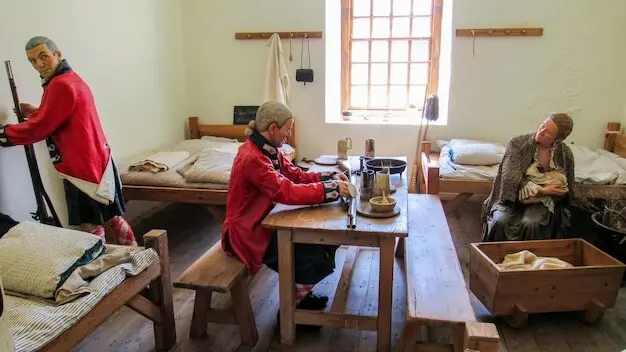
You sleep under reclaimed beams carrying carpenters’ initials and centuries of storms. Lime plaster lets walls exhale, preventing mold without chemical perfumes. Windows face sunrise for light, not spectacle, and deep eaves welcome summer rains. Every material selection reduces extraction while preserving craftsmanship, making comfort feel like wisdom rather than indulgence.

Energy Loops and Water Wisdom in Remote Valleys
A hillside cistern catches snowmelt; a reed bed polishes greywater; a cellar cools milk and guests’ cider glasses without compressors screaming through starry nights. Kilns warm with pruned wood, not imported pellets. Because power is local, outages become lessons, and resilience turns from marketing claim into shared, quietly celebrated normal.
Compost, Cover Crops, and Guest Hands
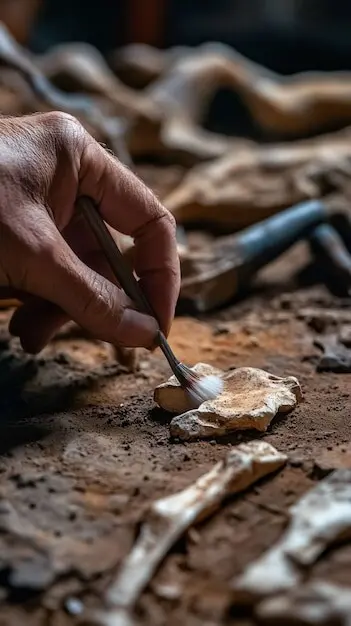
Kitchen scraps are measured like ingredients for soil recipes; straw, manure, and leaves layer into fragrant promise. Between vines, vetch and clover fix nitrogen while inviting bees. Guests turn piles, seed beds, and witness how a future breakfast begins months earlier, beneath boots, changing appetites along with expectations about what hospitality should nourish.