
Hands That Keep Heritage Alive Across the Adriatic North
Why Revival Matters Now
Northern Italy: Fire, Wood, and Song
Murano Glass at Dawn
Before the lagoon fully brightens, gatherers draw honeyed glass from the pot, rolling it across metal plates as canes and murrine wait nearby. Breath, gravity, and timing choreograph every curve. Young assistants learn by heat and hand, discovering that transparency can be shaped like thought, and color can pause midair before settling into clarity.
Cremona’s Listening Hands
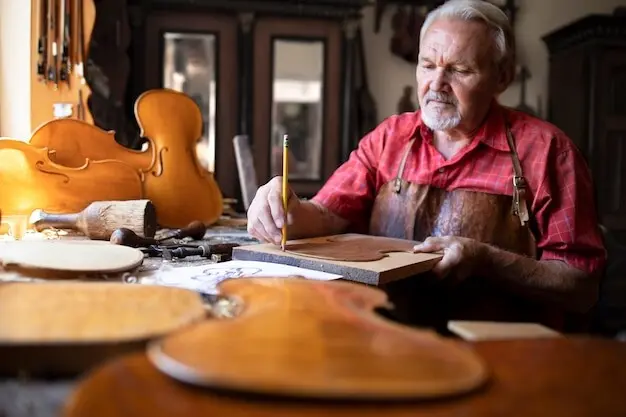
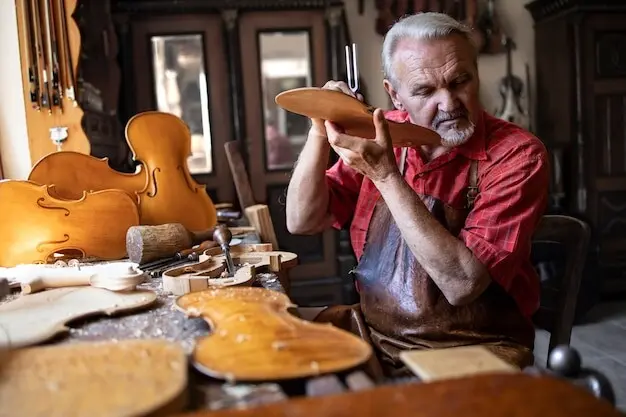
In Cremona, spruce from resonant valleys meets maple backs, and the workshop becomes a room for quiet music long before strings are tuned. Makers tap, plane, and carve by ear, tracing familiar outlines while letting each billet suggest its voice. Recognized worldwide for care and continuity, these instruments carry neighborhoods inside concert halls and school recitals.
Slovenia: Lace, Wood, and Salt on the Wind
Croatia: Stone, Thread, and Sea
Pag Lace Circles Like Waves
Stone from Brač, Patience from Generations
Boats of Betina and Rovinj
Tools, Materials, and Mindsets
Choosing Matter That Speaks
Alpine spruce that rings when tapped, olive wood with stories in every swirl, cotton and linen that remember the hand, and sand pure enough for luminous glass—materials bring their own vocabularies. Selecting them is a conversation about ethics, endurance, and feel, where origin matters as much as appearance, and scarcity teaches gentle efficiency.
The Apprenticeship Arc
Most learning arrives sideways: sweeping floors, fetching tools, watching silence. An apprentice senses grain direction by failure, then cadence by repetition. Only later come signatures and experiments. This arc preserves nuance that instructions cannot hold, ensuring that a boat balances correctly, a chair sits kindly, and a lace edge neither wilts nor fights the cloth.
Morning in a Squero, Afternoon with a Luthier
Lace Between Conversations
Taking Part and Giving Back
Visit and Learn
Buy with Intention
All Rights Reserved.