
From Peaks to Tide: Designing Taste You Can Hold
Today we explore Culinary Design: Tableware, Kitchens, and Food Rituals that Celebrate Mountain-to-Sea Terroir, revealing how plates, tools, spaces, and shared gestures translate alpine herbs, river stones, smoke, and briny winds into tactile experiences. Expect materials that speak, rituals that anchor memory, and kitchens choreographed to honor journeys from cold summits through forest and river, arriving finally at the salt-sparked brightness of the shore.
Plates that Echo Geography
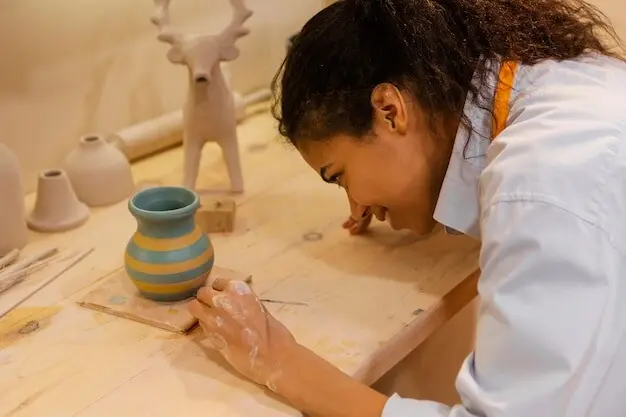
When tableware is shaped by terrain, food tastes like a place. Clay bodies can remember slate ridges; porcelain can mirror coastal glare; wood can carry forest resin. Form guides temperature and aroma, while glaze, weight, and mouthfeel tune pacing. Consider edges that catch broths, dimples for brine, and surfaces that warm roots or cool sashimi, quietly aligning the diner’s senses with altitudes and currents gathered on the plate.

Stoneware with Alpine Memory
Gritty stoneware blended with grog and iron flecks feels like boot-crunched scree, stabilizing roasted tubers and mountain mushrooms with generous thermal mass. Its matte surface slightly resists a spoon, slowing bites and extending smoky aromas. A potter once added lake silt from a high valley; guests swore they tasted clean wind, though science says it was heat retention and texture whispering restraint and focus.
Porcelain Glints of Coastal Light
Thin, translucent porcelain throws little shadows that sparkle like waves across a calm bay, brightening delicate fish, quick-pickled seaweed, and citrus oils. Cool to the touch, it protects fragile proteins, while tight glazes keep saline juices crisp. A chef placed oysters on snow-white saucers angled upward; diners lifted shells toward light instinctively, letting brightness and brine meet exactly where palate and memory first collide.
Kitchens that Flow with the Land
Cold Larder to Surf-Fresh Station
Chilled drawers near an ice well move quickly into a dedicated fish station with sloped drainage, shadowless task lighting, and knife magnets set at safe, ergonomic angles. Intuitive reach keeps fillets pristine and hands calm. We once timed a line cook’s path during a stormy delivery; shaving five steps preserved glassy eyes and snap in the skin, proof that layout is a silent ingredient.
Forager’s Sink and Mountain Wash
A deep, ribbed sink beside a raw-prep table catches grit from roots and mossy clusters, while a side sprayer mimics a cold stream. Elevated grids save backs and greens. Hooks hold baskets; a narrow shelf dries knives. After a long hike, the ritual of swishing pine tips until the water runs clear resets attention, reminding everyone that cleanliness is also a return to source.
Heat Lines that Respect Smoke and Steam
Smoke loves space and patience. Set charcoal or wood fire under a high, powerful hood with lateral makeup air to protect draft. Place steamers near open drains and low-splash walls. Separate fish and meat fires to avoid muddied signals. A small yakitori grill can sit beside a gentle hearth, so cedar smoke kisses trout while the stew keeps mountain herbs perfuming without competition.
Food Rituals that Carry the Journey

Opening Gesture: Salt, Pine, and Seaweed
Begin by placing a tiny dish of flaky salt mixed with dried pine and powdered kombu at each setting. Invite guests to touch, smell, then season their first bite. The resin and brine lift anticipation without overwhelming. This simple pause changes posture and breath, creating room for curiosity. Share your version—maybe spruce tips or kelp—so others can borrow and adapt the welcoming spark.
Shared Boards that Map Elevation
Arrange a long board into three zones: highland roots with smoke and butter; river greens with stones and chilled oil; coastal elements with citrus and raw brightness. Encourage clockwise passing, a gentle descent through ecosystems. People narrate aloud—snow, then stream, then foam—finding unexpected connections. The board becomes a map you can bite, and each handoff turns strangers into friendly guides along the route.
Timekeepers: Bells, Sand, and Simmer
Use a small bell, a sand timer, or a kettle’s gentle hiss to synchronize service moments. Steeping mountain tea exactly as a stew settles into sweetness teaches patience together. We once swapped a phone alarm for a river-stone timer; conversation softened, listening sharpened. Signals need not shout; they should feel like wind changing direction, inviting the next course with grace and shared attention.
Sustainable Materials, Lasting Meaning
When provenance is honest, beauty endures. Locally dug clays reduce transport and invite respectful glazing chemistry. Certified woods, recycled metals, and repairable designs lower impact while gaining soulful wear. Patina becomes biography, not blemish. Choosing suppliers who publish sources and tests builds trust. Share your favorite makers, swaps, and fixes below; your insights help this community stretch resources wisely while honoring land and craft equally.
Clay Provenance and Gentle Chemistry
Ask your potter about clay bodies, fluxes, and glaze leach testing. Feldspar, ash, and stains can achieve depth without risky metals. Local slip adds character and story while trimming freight. We once compared identical bowls—one imported, one regional—and noticed warmer handling and fewer microchips in the latter. Responsible firing schedules and careful foot polishing protect tables and tongues, making everyday use safer and more satisfying.
Forest Stewardship in Every Handle
Choose FSC-certified or salvaged timbers for boards, knife handles, and drawer fronts. Hard oils and waxes free of solvents keep the grain breathable and food-safe. A maker carved ladles from storm-fallen birch, tracing each limb’s curve into comfort. Over time, repaired handles outlast trendier plastics, and the gentle creak of a well-fitted pin becomes a reminder that care is the most renewable finish.
Repair Culture and Beloved Patina
Normalize mending: retin copper, kintsugi cracked cups, regrind knives, replace rivets before they fail. Each fix layers memory onto utility. Our grandmother’s steel skillet bears a small river-shaped season mark; every pancake follows its bend. Post photos of your restored pieces and tips for gentle cleansers or local smiths. Shared know-how keeps heirlooms working, reduces waste, and gives meals the comforting weight of continuity.
Color Temperatures that Nudge Perception
Plate briny elements on subtly cool hues to sharpen edges, while root-forward courses love warmer neutrals that suggest hearth and shelter. One supper alternated porcelain blue for mussels with smoke-toned bowls for barley, and conversation mirrored the switch—quick, splashy notes followed by slower, grounded talk. Color is not decoration alone; it’s a seasoning that never hits the tongue yet shapes every swallow.
Texture That Sets the Pace
Matte ceramics add adorable friction, extending contemplation between bites; glazed slickness speeds enthusiasm for bright, fresh courses. A ribbed rim can catch broths so aroma lingers near lips. We noticed guests slowing naturally on rougher plates, unconsciously lowering forks. Texture is a conductor’s baton, beating time for appetite. Choose finishes like you would spices—pairing intensity with narrative so rhythm matches terrain and intention.
Soundscapes at the Table
Acoustic textiles, wooden chargers, and balanced cutlery melt clatter into gentle punctuation, freeing aromas from noise. Metal on porcelain can sparkle pleasantly when moderated by felt feet and thoughtful spacing. We tested a linen runner beside bare wood; words blossomed, and steam notes seemed louder. Sound belongs on the menu. Curate it as carefully as salt, and watch attention settle exactly where flavors bloom.
Palette, Texture, and the Physics of Appetite
Color, sheen, and sound nudge hunger more than we admit. Cool blues calm salty dishes; warm grays cuddle roasts. Matte surfaces slow chewing; gloss accelerates. Quiet acoustics heighten aroma recognition. By tuning these micro-senses, you choreograph pace without commands. We reference studies cautiously but trust lived meals: friends linger longer over stone textures and laugh brighter when glass taps lightly against wood under lamplight.
Recipes as Rooms, Rooms as Recipes
Treat dishes like interior sketches and rooms like ingredient lists. Vessel geometry suggests seasoning, while ventilation becomes an herb. Start cold where snowmelt rules, then warm where embers glow, plate by plate. If a countertop smells faintly of lemon oil and juniper, it will mentor the menu. Share your experiments, adjustments, and triumphs, and we’ll refine layouts and flavors together, learning from each other’s delicious blueprints.
All Rights Reserved.